Coding and STEAM Curriculum

Designed for all experience levels, Tynker's self-paced coding curriculum lets students learn by applying coding to core subjects.

K-8 Plan

  • 48 Icon, Block, & Text Coding Courses
  • Lesson Plans
  • Automatic Grading
  • School Progress Metrics
  • Premium Training & Support
  • School Year Plan

Icon Coding 10-Course Pack

Pre-K to Grade 2 • Beginner • 38 Lessons • 223 Activities
The Tynker Junior icon programming course collection, comprised of 10 different courses, helps early readers develop foundational programming skills. To use these courses in your classroom, you must download the Tynker Junior app from the App Store. As they progress through the coding icon adventures, students learn about sequencing, parameters, events, loops, conditional logic, and nested loops that help to establish foundational coding skills. Then they apply their coding skills in free-form coding studios where they build their own projects with art, music and animation.
Course Overview

All About Computers I

Pre-K to Grade 2 • Beginner • 7 Lessons • 26 Activities
Introduces beginner students in lower elementary grades to concepts about computers, computing, and digital literacy.
Course Overview
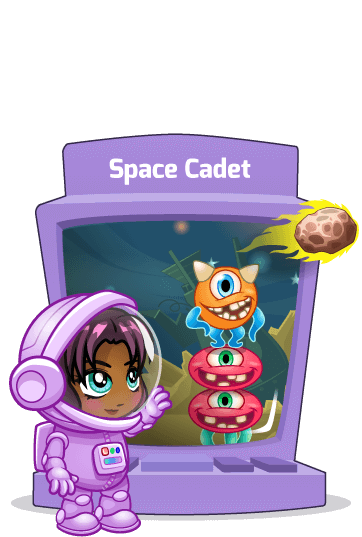
Space Cadet

Space Cadet

Grades 1-2 • Beginner
Solve these puzzles to help your astronaut through the space journey.
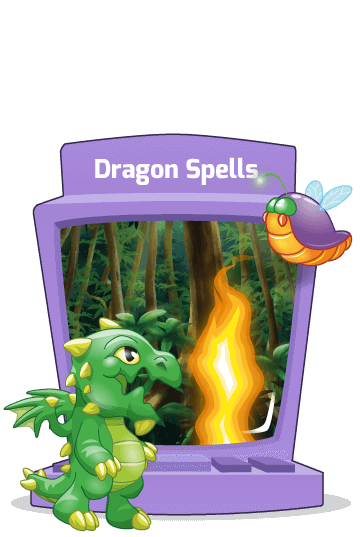
Dragon Spells

Dragon Spells

Grades 1-3 • Beginner
Solve these puzzles to train your dragon to find treasure.

Programming 1A

Grades 1-2 • Beginner • 12 Lessons • 62 Activities
An easy introduction to programming for 1st and 2nd graders. Students solve coding puzzles to get familiar with basic programming concepts in this fun coding lesson.
Course Overview

Programming 1B

Grades 1-2 • Beginner • 14 Lessons • 79 Activities
Intermediate programming for 1st and 2nd graders. Students solve even more challenging coding puzzles and use Tynker Workshop to build their first working programs.
Course Overview

All About Computers II

Grades 3-5 • Beginner • 7 Lessons • 45 Activities
Introduces students in upper elementary grades to concepts about computers, networks, security, and digital literacy.
Course Overview

Programming 101

Grades 3-4 • Beginner • 15 Lessons • 184 Activities
An easy introduction to programming for 3rd and 4th graders. Students unlock the power of coding to build games, design characters, make music, and draw math art.
Course Overview

Programming 102

Grades 3-4 • Intermediate • 16 Lessons • 130 Activities
Intermediate programming for 3rd and 4th graders. Students learn to build a multi-stage adventure game, a math art game, and several fun mini-games.
Course Overview

Programming 201

Grades 5-6 • Beginner • 17 Lessons • 137 Activities
Introductory programming for 5th and 6th graders. Students play games that teach coding and learn to build their own games, animations, and projects.
Course Overview

Programming 202

Grades 5-6 • Intermediate • 16 Lessons • 132 Activities
Intermediate programming for 5th and 6th graders. Students use their coding skills to build a drawing-based car racing game and a projectile-based physics game.
Course Overview

Augmented Reality

Grades 5-7 • Intermediate • 10 Lessons • 62 Activities
Learn to add Augmented Reality into your apps. Use live video with special effects and gestures to interact with virtual game elements.
Course Overview

micro:bit 101

Grades 3-5 • Beginner • 16 Lessons • 97 Activities
Learn to code the micro:bit, a tiny programmable computer with built-in sensors, an LED array, and Bluetooth.
Course Overview

Artificial Intelligence 101

Grades 3-8 • Intermediate • 5 Lessons • 25 Activities
Learn basics of Artificial intelligence and Machine Learning
Course Overview

MicroPython 101

Grades 7+ • Advanced • 14 Lessons • 100 Activities
An advanced introduction to micro:bit programming using MicroPython.
Course Overview

Artificial Intelligence 401

Grades 7-12 • Advanced • 35 Lessons • 126 Activities
Learn basics of Artificial intelligence and Machine Learning using JavaScript
Course Overview

Life Science 101

Grades 3-5 • Beginner • 17 Lessons • 68 Activities
Fun coding lessons designed to integrate with subjects like biology, anatomy, and genetics. All projects are NGSS-aligned and promote project-based learning for 3rd–5th graders.
Course Overview

English 101

Grades 3-5 • Beginner • 15 Lessons • 60 Activities
Fun coding lessons designed to integrate with subjects like grammar, storytelling, reading, and writing. All projects are CCSS-aligned and promote project-based learning for 3rd–5th graders.
Course Overview

Math 101

Grades 3-5 • Beginner • 24 Lessons • 96 Activities
Fun coding lessons designed to integrate with subjects like arithmetic, geometry, measurement units, and fractions. All projects are CCSS-aligned and promote project-based learning for 3rd–5th graders.
Course Overview

Physical Science 101

Grades 3-5 • Beginner • 14 Lessons • 56 Activities
Fun coding lessons designed to integrate with subjects like physics and chemistry. All projects are NGSS-aligned and promote project-based learning for 3rd–5th graders.
Course Overview

Earth Science 101

Grades 3-5 • Beginner • 20 Lessons • 80 Activities
Fun coding lessons designed to integrate with subjects like geology, meteorology, oceanography, and astronomy. All projects are NGSS-aligned and promote project-based learning for 3rd–5th graders.
Course Overview

Programming 300

Grades 6-8 • Beginner • 5 Lessons • 53 Activities
The best way to introduce your middle school students to coding. This free coding lesson plan starts students with visual block coding, then transitions them to solving text-based coding problems in JavaScript and Python.
Course Overview

Programming 301

Grades 7-8 • Beginner • 17 Lessons • 111 Activities
Introductory programming for 7th and 8th graders. Students build two arcade-inspired games from start to finish to learn the basics of coding.
Course Overview

Programming 302

Grades 7+ • Advanced • 16 Lessons • 104 Activities
Intermediate programming for 7th and 8th graders. Students learn projectile physics, then apply coding concepts to build their own physics games.
Course Overview

JavaScript 101

Grades 7+ • Advanced • 13 Lessons • 152 Activities
An introduction to JavaScript programming for 7th and 8th graders. Students complete coding lessons and puzzles as they learn to build games for web and mobile platforms.
Course Overview

Python 101

Grades 7+ • Advanced • 13 Lessons • 116 Activities
A game-based introduction to Python programming for 7th and 8th graders. Students complete coding lessons and puzzles as they learn the basics of text-based syntax.
Course Overview

Web Development 101

Grades 7+ • Advanced • 10 Lessons • 83 Activities
Learn to create responsive web pages using HTML and CSS.
Course Overview

Python 201

Grade 8 • Advanced
Learn Python to solve real-world problems.

Java 101

Grades 8+ • Advanced • 105 Lessons • 363 Activities
Tynker’s introduction to the Java programming language.
Course Overview

Intro to Programming and Art

Grades 8+ • Advanced • 59 Lessons • 264 Activities
Tynker’s introduction to foundational concepts of art and computer science.
Course Overview

Data Science 1

Grades 8+ • Advanced • 36 Lessons • 137 Activities
An introductory course designed to introduce students to the foundations of data analysis using Python.
Course Overview

Life Science 201

Grades 6-8 • Beginner • 31 Lessons • 124 Activities
Fun coding lessons designed to integrate with subjects like biology, anatomy, and genetics. All projects are NGSS-aligned and promote project-based learning for 6th–8th graders.
Course Overview

English 201

Grades 6-8 • Beginner • 10 Lessons • 40 Activities
Fun coding lessons designed to integrate with subjects like grammar, storytelling, reading, and writing. All projects are CCSS-aligned and promote project-based learning for 6th–8th graders.
Course Overview

Math 201

Grades 6-8 • Beginner • 11 Lessons • 44 Activities
Fun coding lessons designed to integrate with subjects like arithmetic, geometry, measurement units, and fractions. All projects are CCSS-aligned and promote project-based learning for 6th–8th graders.
Course Overview

Physical Science 201

Grades 6-8 • Beginner • 23 Lessons • 92 Activities
Fun coding lessons designed to integrate with subjects like physics and chemistry. All projects are NGSS-aligned and promote project-based learning for 6th–8th graders.
Course Overview

Earth Science 201

Grades 6-8 • Beginner • 19 Lessons • 76 Activities
Fun coding lessons designed to integrate with subjects like geology, meteorology, oceanography, and astronomy. All projects are NGSS-aligned and promote project-based learning for 6th–8th graders.
Course Overview
Features Elementary Middle School High School
Lesson Plans
Answer Keys
Automatic Grading Premium Premium Premium
School Progress Metrics Premium Premium Premium
Training & Support Premium Premium Premium
Icon Coding
Block Coding
Robotics
Text Coding
STEM Projects
Premium plan
Includes all premium school features
Request Quote Request Quote Request Quote

Talk to our team about discounts for multiple school sites

Request a Quote

List of Programming Courses

(NOTE: swipe to see details)

Course Name Grade Access Difficulty K-2 Elementary Middle School High School
10 Icon Coding Courses K-2 Tynker Junior Beginner Yes Yes
All About Computers I K-2 Tynker Web Beginner Yes Yes
Space Cadet 1-2 Tynker App   Tynker Web Beginner Yes Yes
Dragon Spells 1-3 Tynker App   Tynker Web Intermediate Yes Yes
Programming 1A, 1B 1-2 Tynker Web Beginner Yes Yes
All About Computers II 3-5 Tynker Web Beginner Yes
Programming 101, 102 3-4 Tynker App   Tynker Web Beginner Yes
6 STEM Level 1 Courses 1-5 Tynker App   Tynker Web Beginner Yes
Augmented Reality 5-7 Tynker App   Tynker Web Intermediate Yes Yes
Artificial Intelligence 101 3-8 Tynker App   Tynker Web Intermediate Yes Yes
Microbit 101 3-5 Tynker App   Tynker Web Intermediate Yes Yes
Programming 201, 202 5-6 Tynker App   Tynker Web Intermediate Yes Yes
6 STEM Level 2 Courses 6-8 Tynker App   Tynker Web Intermediate Yes
Programming 301, 302 7-8 Tynker Web Advanced Yes Yes
JavaScript 101 7+ Tynker Web Advanced Yes Yes
Python 101 7+ Tynker Web Advanced Yes Yes
Web Development 7+ Tynker Web Advanced Yes Yes
Artificial Intelligence 401 7+ Tynker Web Advanced Yes Yes
MicroPython 101 7+ Tynker Web Advanced Yes Yes
Python 201 8+ Tynker Web Advanced Yes Yes
Java 101 9+ Tynker Web Advanced Yes Yes
Intro to Programming and Art 9+ Tynker Web Advanced Yes Yes
Data Science 1 9+ Tynker Web Advanced Yes Yes
AP Computer Science Principles 9+ Tynker Web Advanced Yes
AP Computer Science A 9+ Tynker Web Advanced Yes
Course Totals 15 31 22 13

Tynker App icon  Course available via Tynker App.
Tynker Junior icon  Course available via Tynker Junior.
Tynker Web  Course available via Tynker for web.

Understand what kids learn with Tynker!

See Learning Outcomes

Explore the Tynker for Schools Coding Curriculum!

Explore Courses

Standards Alignment

Tynker’s course pathways and learning modules align with the Common Core State Standards, the Next Generation Science Standards, CSTA K-12 standards, ISTE standards, several US state CS standards, and the UK National Standards.

See all standards


100% CSTA K-5
100% CSTA Programming
100% AP CS A, AP CSP
Common Core State Standards Initiative
The International Society for Technology in Education (ISTE)
Next Generation Science Standards
The Computer Science Teachers Association (CSTA)
AP Computer Science Principles
AP Computer Science A

Frequently Asked Questions

  • What is Tynker?

    Tynker is an online programming curriculum platform that easily and successfully teaches students how to code through the activities they already love: games and stories. Students learn the fundamentals of programming and design through Tynker's intuitive visual programming language without the frustrations of traditional syntax.


    Tynker's goal is to provide every child with a solid foundation in STEM (Science, Technology, Engineering, and Math) thinking abilities to prepare them for 21st century degrees and careers.

  • How can I use Tynker at my school?

    Tynker is a flexible platform that is being used in lots of ways across 150,000 schools. Schools are using Tynker's grade-specific lesson plans to teach programming in formal Computer Science classes or to support project-based learning across all subject areas -- science, math, ELA, social studies and more.


    Schools can use Tynker to supplement classroom teaching with 21st century skill-building or roll out a comprehensive and progressive programming curriculum across all grades.

  • Do I need coding experience or training to use Tynker with my students?

    Not at all! No coding experience and no training is required. Teachers love Tynker because the self-paced K-8 curriculum gets students started on their own. Tynker provides a rich set of resources to answer student questions, such as videos, guides, tutorials, and the very helpful Tynker Troll that provides contextual help for students. We've found that teachers can also learn alongside the students, and in a collaborative environment, students can also help and inspire each other.


    Tynker has lots of innovations to empower any teacher, regardless of experience, to teach programming to their students. With interactive lectures that teach programming concepts, step-by-step tutorials that walk students through programming projects, and hands-on coding exercises with instructions, students learn at their own pace. Teachers can spend more time with students who need extra help and less time preparing lessons.

  • Is it easy to monitor what my students are learning?

    Absolutely! We understand how busy educators are, which is why we have a whole suite of programming curriculum tools for educators. Tynker has a built-in assessment framework that tracks student progress, individually and at the class level. You can use the concept map, grading and metrics dashboards to easily track how your students are learning. Tynker's Classroom Management Tools eliminate much of the "work" involved in teaching and lets you focus on your students.

  • Do my students need prior experience?

    Tynker provides a fun and easy introduction to programming for all students. Early elementary STEAM curriculum students can get started with Tynker through the engaging Tynker tablet app (iOS and Android) in preparation for Tynker's project-based programming courses starting in 3rd grade. Grade-specific programming courses allow students to develop skills year-after-year with the gradual transition to traditional programming languages like JavaScript.

  • What are Tynker courses like?

    Each of our 100-, 200- and 300-level coding curriculum courses consists of 16-17 lessons. Lessons are designed to last one class period (45 min to 1 hr.). As students progress through a lesson, they'll be working through different types of learning modules:

    • Interactive Lectures - set the lesson context and explain the concepts that students are about to learn
    • Tutorials - Step-by-step instructions that guide students to build the project in Tynker Workshop.
    • Puzzles - A scenario is presented with some code blocks. Students are challenged to program or debug to make this code work and solve the puzzle.
    • Projects - An open-ended activity with instructions. Students apply what they have learned and build a project.
    • Quizzes - A set of fun multiple choice questions around concepts learned in the lesson. Student quiz scores are available in the Grading Dashboard.
  • Can I use Tynker with my entire school?

    Absolutely! Tynker's grade-specific K-8 curriculum teaches programming through activities that students love! 1st graders solve fun puzzles using Tynker's tablet app, while 3rd graders are creating exciting stories and animations. Upper elementary students learn the basics of game design to create a fun side-scrolling obstacle game while middle school students start experimenting with the advanced Physics Engine for physics-based projectile games before transitioning directly to JavaScript.

  • How does Tynker support learning in other areas?

    Tynker easily lends itself to supporting all areas of learning. Schools are using Tynker as a way for students to demonstrate their understanding of other subjects such as science and math. And as students work on Tynker projects they acquire a deeper knowledge of the STEAM curriculum subjects they are studying.


    Tynker's lessons support and enhance Common Core State Standards. View Common Core mapping here.

  • What do my students learn with Tynker?

    Tynker's coding curriculum is designed to teach students computational thinking and core computer science concepts. Through Tynker, students learn the fundamentals of programming found in all object-oriented programming languages. Tynker lessons not only make it easy for students to understand abstract programming concepts, but also allow them to apply concepts to different projects, games, and scenarios. Students learn programming concepts such as loops and variables, repetition, conditional logic, functions, computer drawing, and music. Students also acquire critical skills, such as problem decomposition, pattern recognition, abstraction, algorithmic thinking, and automation. Once students have a strong grasp of the fundamentals, they can transition to any mainstream programming language, such as JavaScript.

  • What are students creating?

    Programming curriculum students are creating all sorts of amazing projects. Check out some of our favorites in our Kid Creation's gallery.

  • Have additional questions?

    We have answers! Contact us to learn more about teaching a K-8 curriculum on programming at your school with Tynker.